With affordability challenges and families pooling their investment dollars more than ever, many people are considering adding a suite for family. If you are among this group we have created a list of our top tips for building a suite for your adult kids or in-laws.
Be realistic when it comes to creature comforts
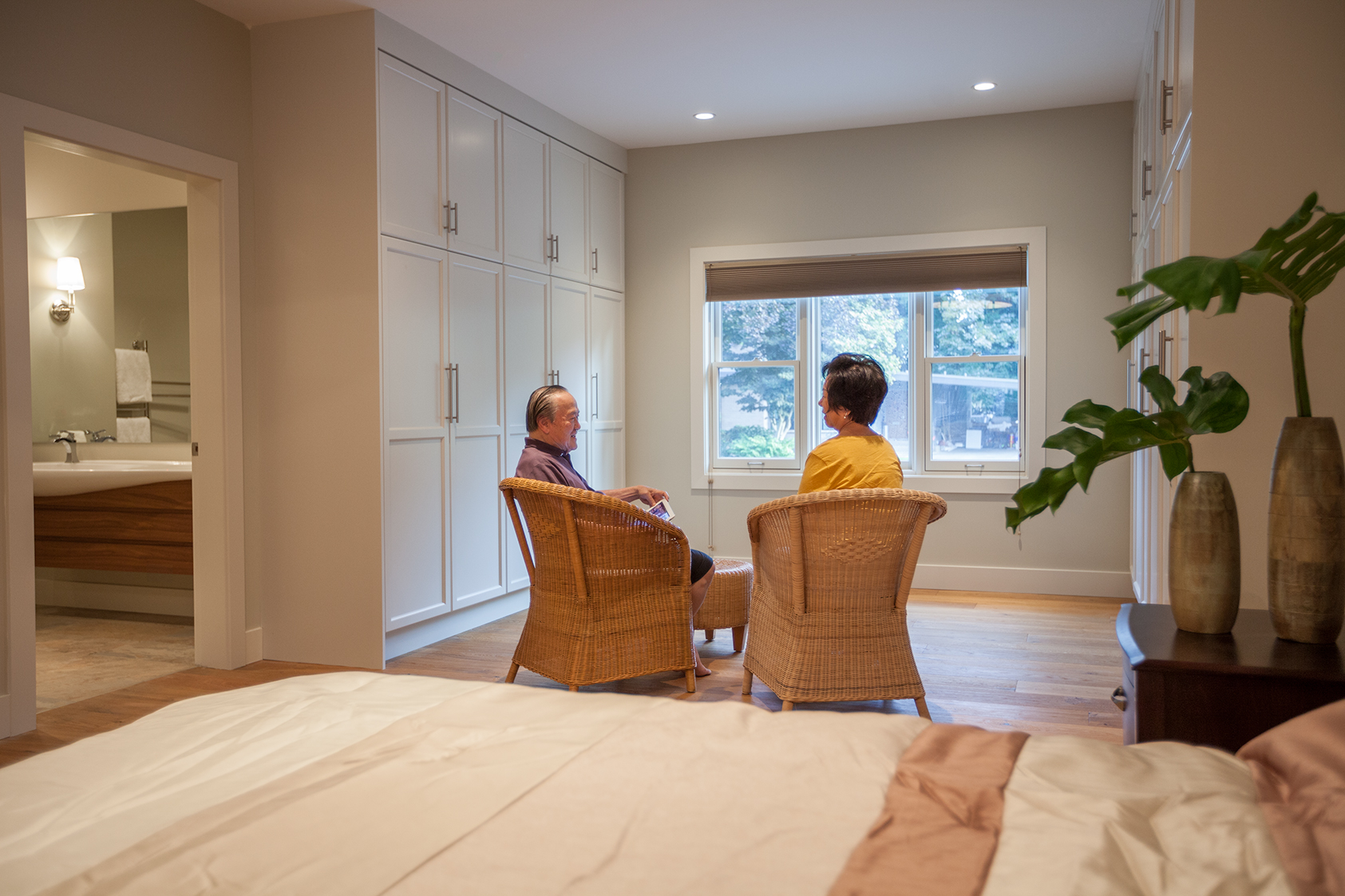
Privacy is the biggest factor that determines long-term harmony. Having natural separation between private, semi-private and public spaces will let everyone feel comfortable in their own space and be more independent.
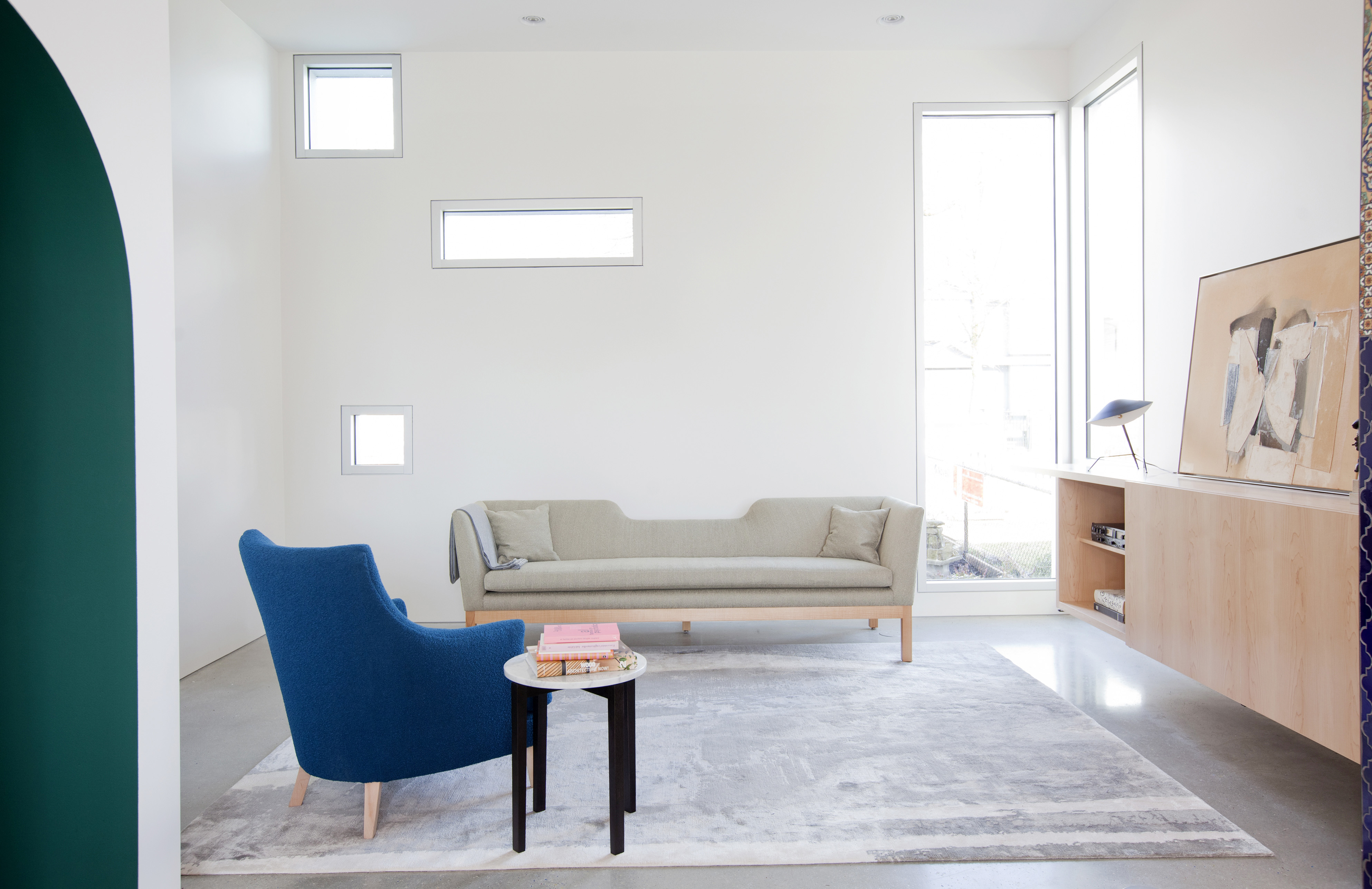
Gather & Retreat - Provide opportunities for both the chance to get together for meals and celebrations, and the chance to rest and relax in comfort.
Soundproofing –whether you love movies, gaming or music, your in-laws might be sleeping or just have different tastes. Don’t make them listen to your tunes. Insulate shared walls and ceilings.
Split utilities or heating zones – We all have different tastes for temperature and while you may like it cold at night, your relatives might have different requirements. Ideal if you can provide each unit it’s own temperature controls.
Outdoor space – Providing a private small outdoor space with directed views for the suite will offer fresh air and outlook while preserving a sense of semi-privacy.
Separate Entrances - Where possible, a separate entrance to the suite is ideal so both households can enter or exit the home without disturbing the other.
Make It Aging-in-Place Friendly
Even if your children are living with you or your in-laws are younger now, in the future the older members in your household may have special requirements. Designing with accessibility in mind ensures long-term usability and future proofs your home. Staircases, narrow access points and a lack of railings and handles can be challenges for aging relatives.
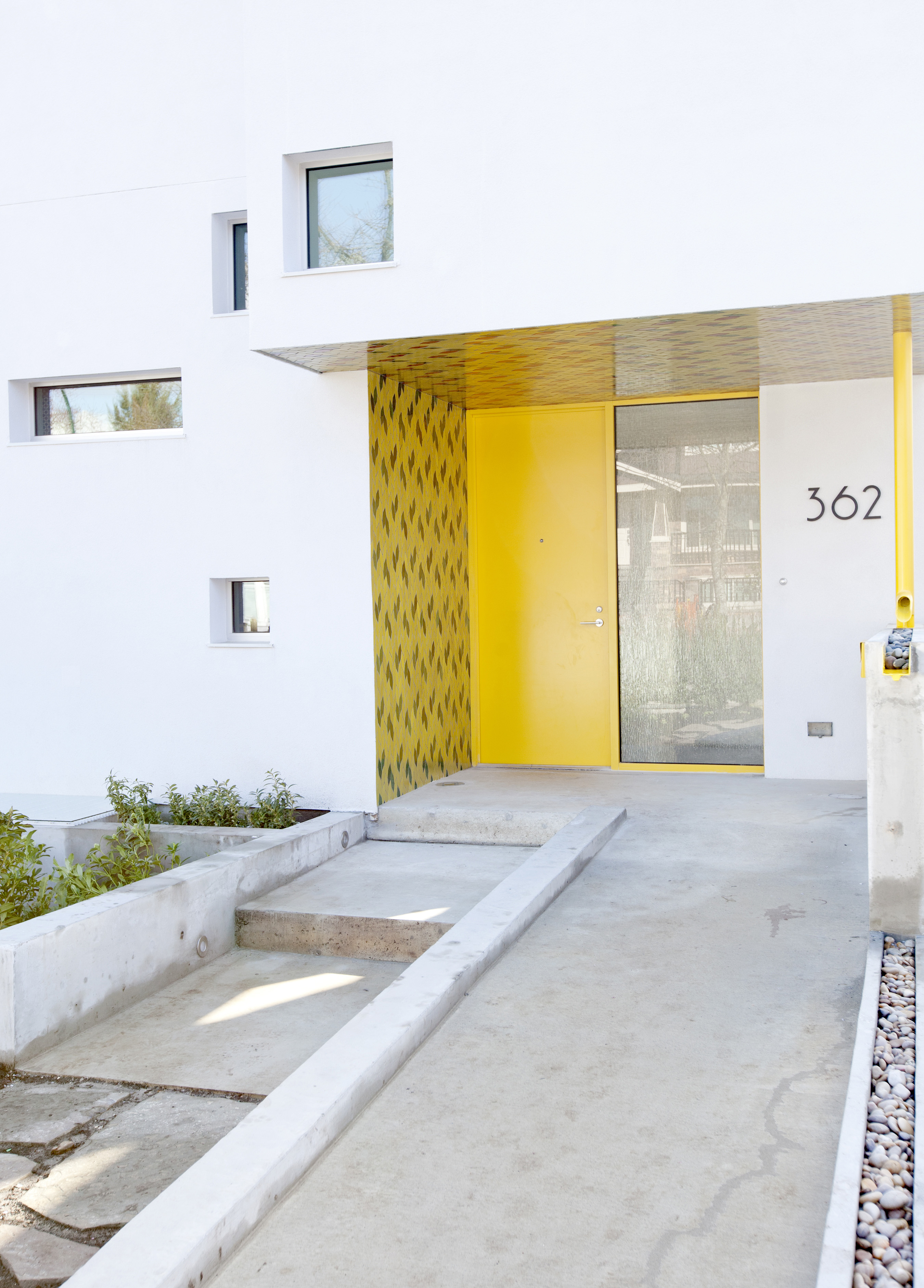
Consider these aging in place tips:
A zero-step or stairs entry – be both wheelchair and reduced mobility ready
One floor living - All necessary housing areas such as the bathroom, kitchen and bedroom all on the same floor
Wider doorways – make sure you can accommodate wheelchairs or mobility scooters
Lever-style handles - easy to pull levers help those with arthritis
Sufficient Electrical circuits - for future lift assistance and medical equipment
A walk-in shower or tub with low or no entrance threshold
Blocking inside walls for grab bars and handles
Non-slip flooring
Good lighting
Making your suite adaptable to wheelchairs, mobility issues,medical devices or other specialized needs in advance will save you money and keep your in laws comfortable as their needs change.
Plan for Natural Light
Suites — especially basement or garden level ones — can feel cramped or depressing if there isn't adequate natural light.
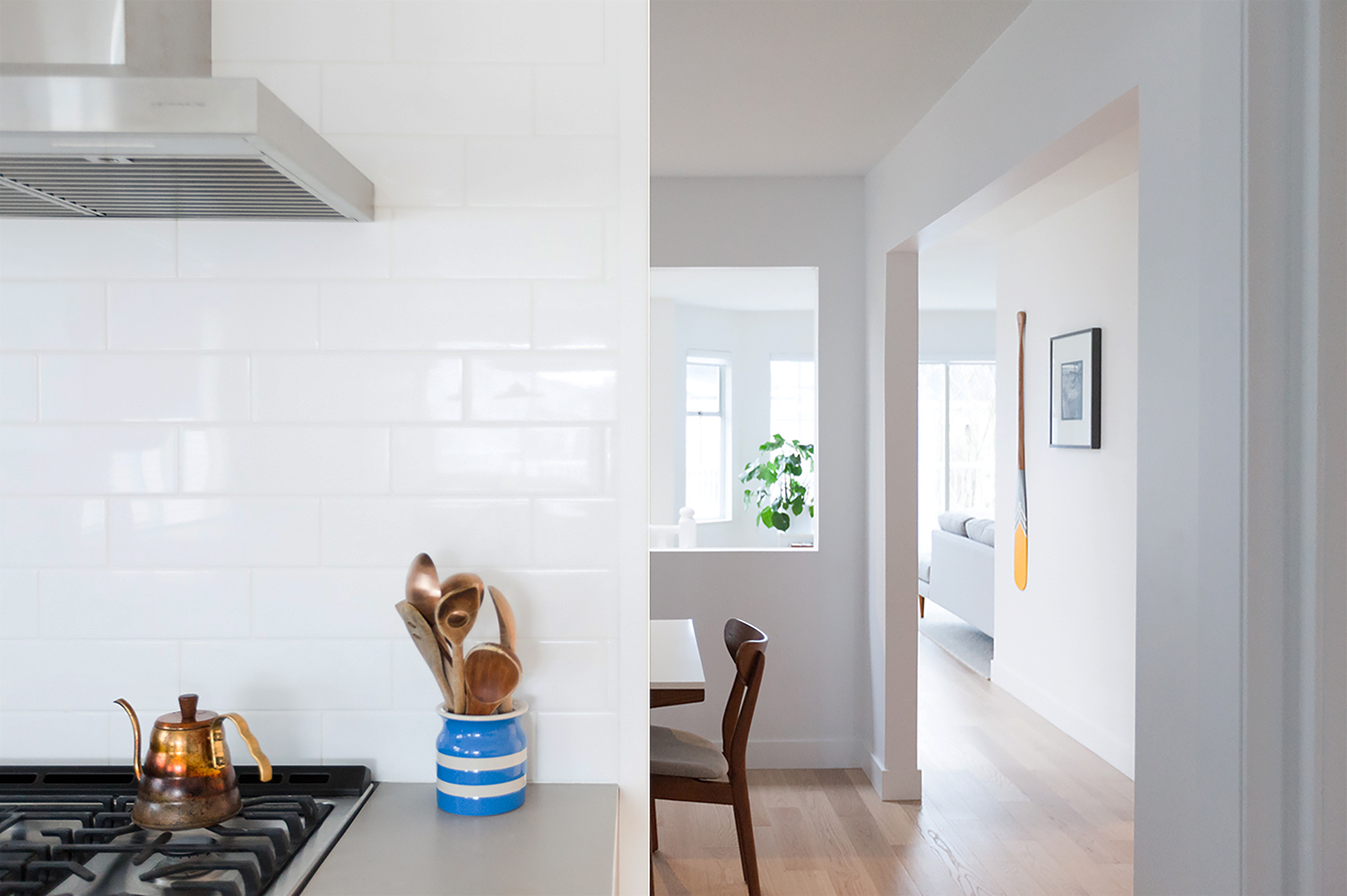
Make this living space better by including:
Thoughtful view corridors
Larger egress windows
Window wells with bright surfaces
Light-colored walls
Taller ceilings – when possible these make any space (especially a basement) feel less like a cave
LED daylight (4000K–5000K) lighting
Aim for a bright, uplifting space — this dramatically improves livability.
Make It Safe
Your loved ones are important so remind them by making sure the space is built with safety in mind. Separate exits, electrical panels and HVAC controls al provide safety and independence for your family.
Consider these safety features:
Proper fire separation from the main house
Interconnected smoke/CO alarms
Egress window in bedroom(s)
Dedicated heating controls
Adequate ventilation (HRV/ERV ideally)
Separate breaker panels or place the panel in a mutually accessible area of the home
Safety features protect your loved ones and simplify municipal permitting.
Use Durable, Low-Maintenance Materials
Your in-laws may be gentle on the suite — but future occupants might not be.
.jpg)
Some low maintenance materials include:
Vinyl plank flooring – waterproof and durable
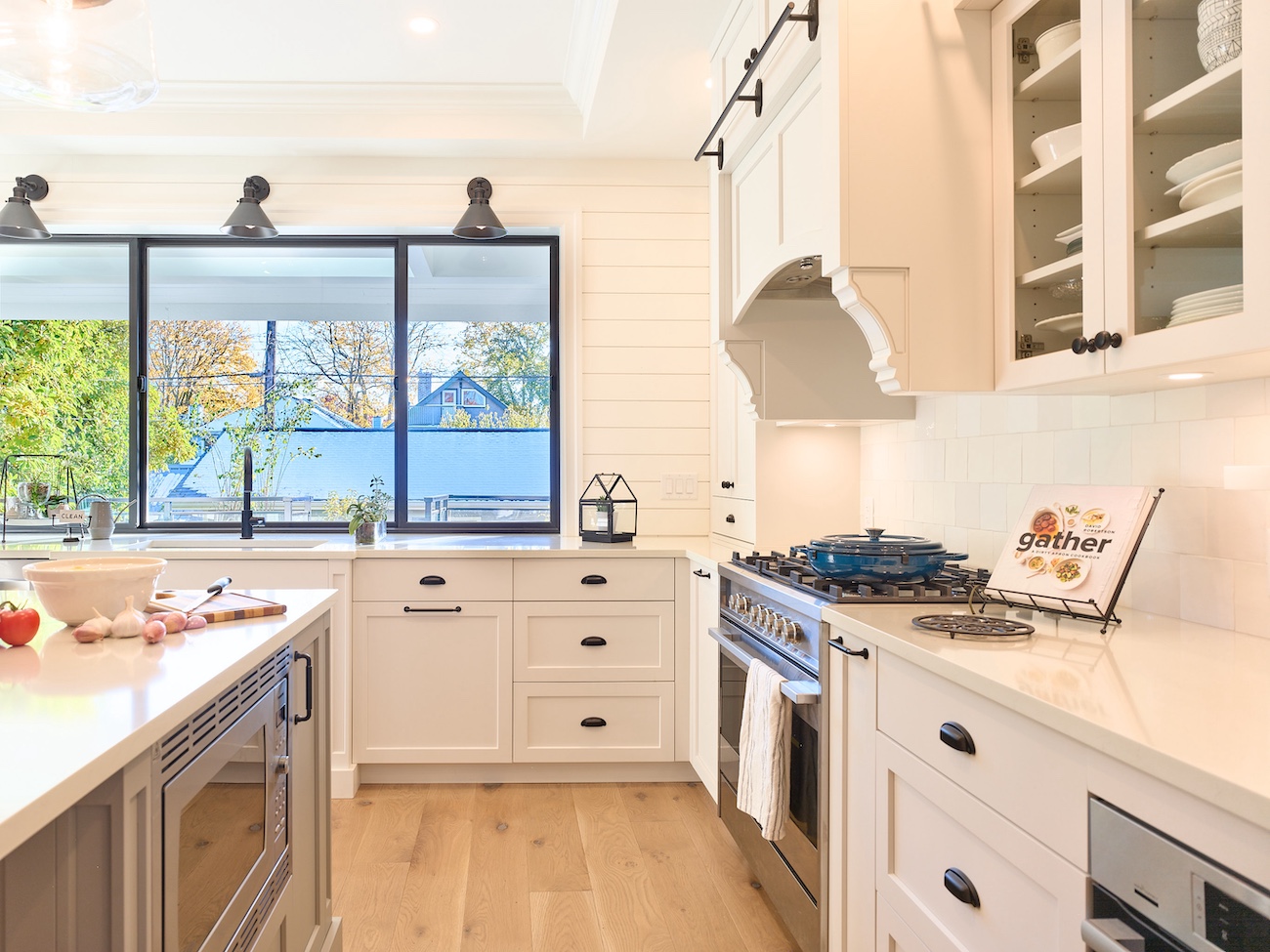
Quartz counters – low maintenance
Full-height backsplashes – prevent water damage
Matte-finish cabinets – hide fingerprints and dirt
You want a suite that holds up long-term so choose materials and designs which prioritize durability and aesthetics.
Think About Parking and Access
Even if your children or in-laws don’t drive now, future occupants may. Clear pathways and well lit access help to prevent accidents. Your suite occupants will appreciate feeling like they are going to their space and have adequate access for their needs.

Don't forget:
Dedicated parking spot
Well-lit exterior pathway
No tripping hazards
Covered entry if possible
EV charging
Ensure zones can be sealed off with one door
Build for Flexibility(Future-Proofing)
Your family may live there now, but one day it might become:
- a rental suite
- a home office
- a caregiver suite
- a resale feature
- a guest suite
Future-proofing costs little now but saves thousands later.
While there are many things to consider when building a suite in your home for family members, good planning in the design process can ensure all your needs and those of your loved ones are met. If you have any questions about home suites or would like a free consultation about your home project contact our expert design build team today here.