
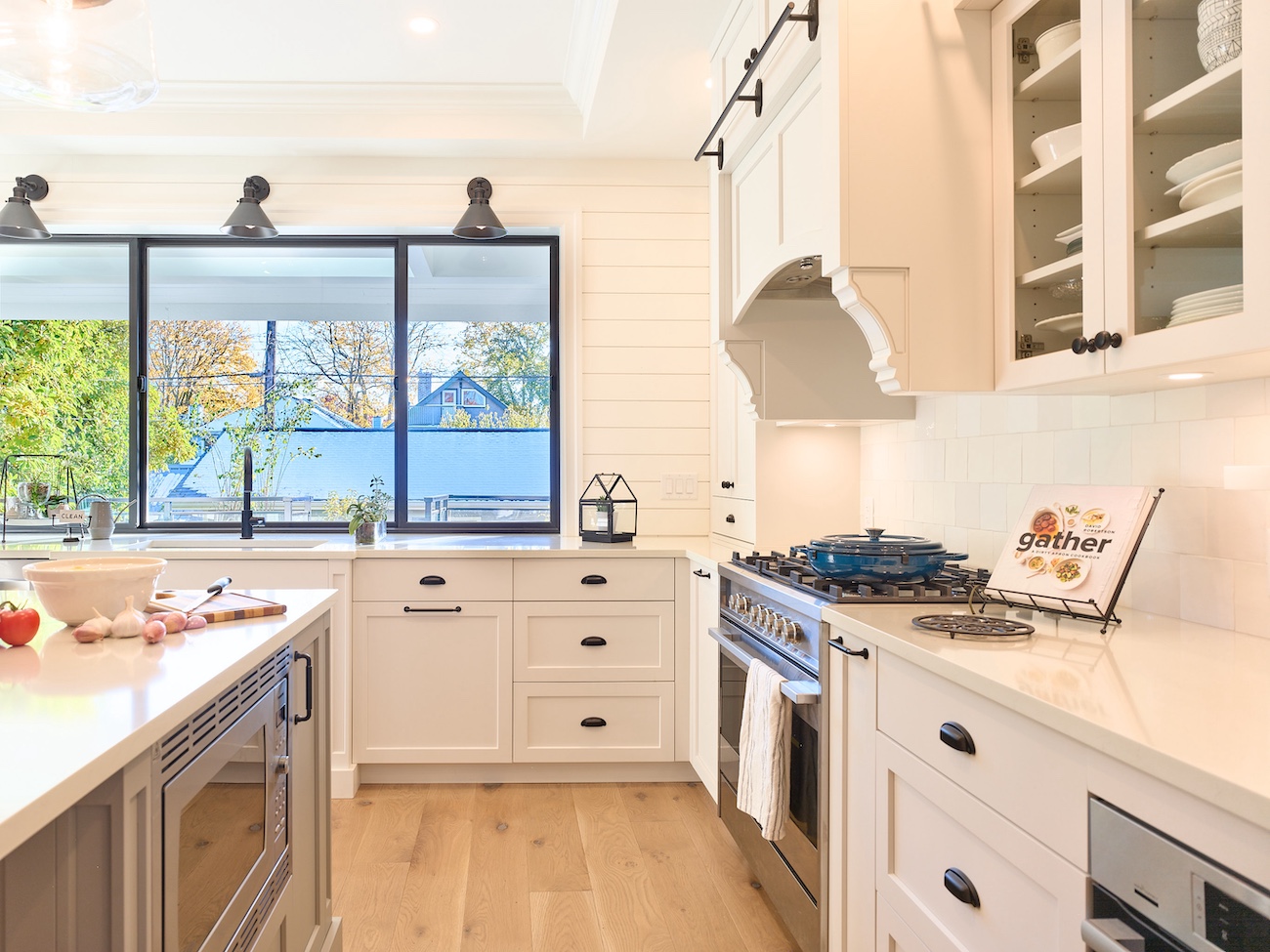
Just over twenty years ago, we started Novell on a simple belief: that homebuildingis done best when the designer and the builder are the same team, accountableto the same person, working toward the same vision. Especially in a renovation project, we didn't know then how much the homes we'd work on would teach us —about craft, about people, and about what it means to truly listen. Here is some of what we've learned.


We are so excited to announce that Novell Design Build has won the 2026 HAVAN award for Best New Small Scale Home with our laneway home project West Vancouver Coach House.
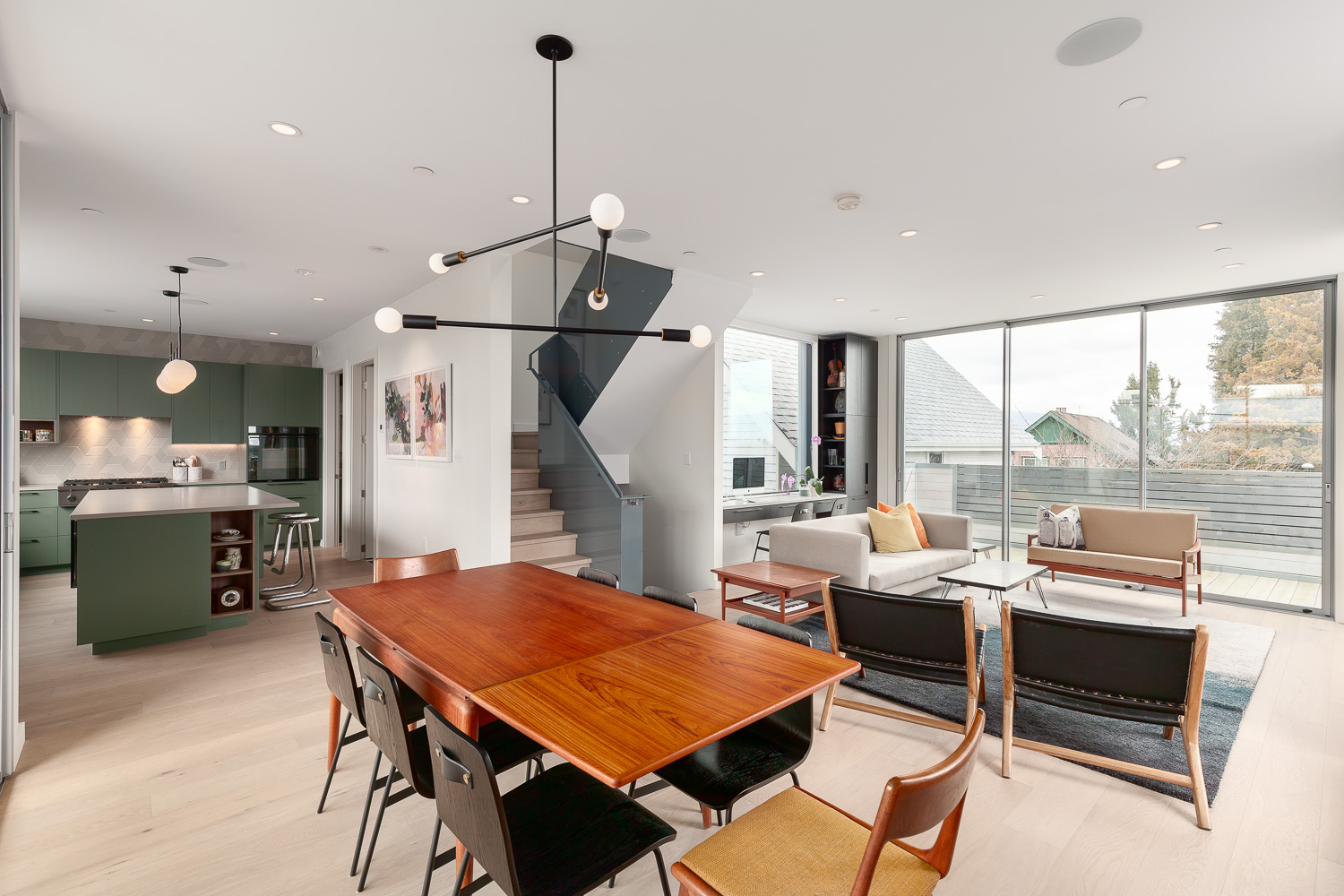
Architects design buildings, so it can feel like the natural first step. In reality, the answer is more nuanced than a simple yes or no- it depends on the type of project, the property, and the local municipal requirements.
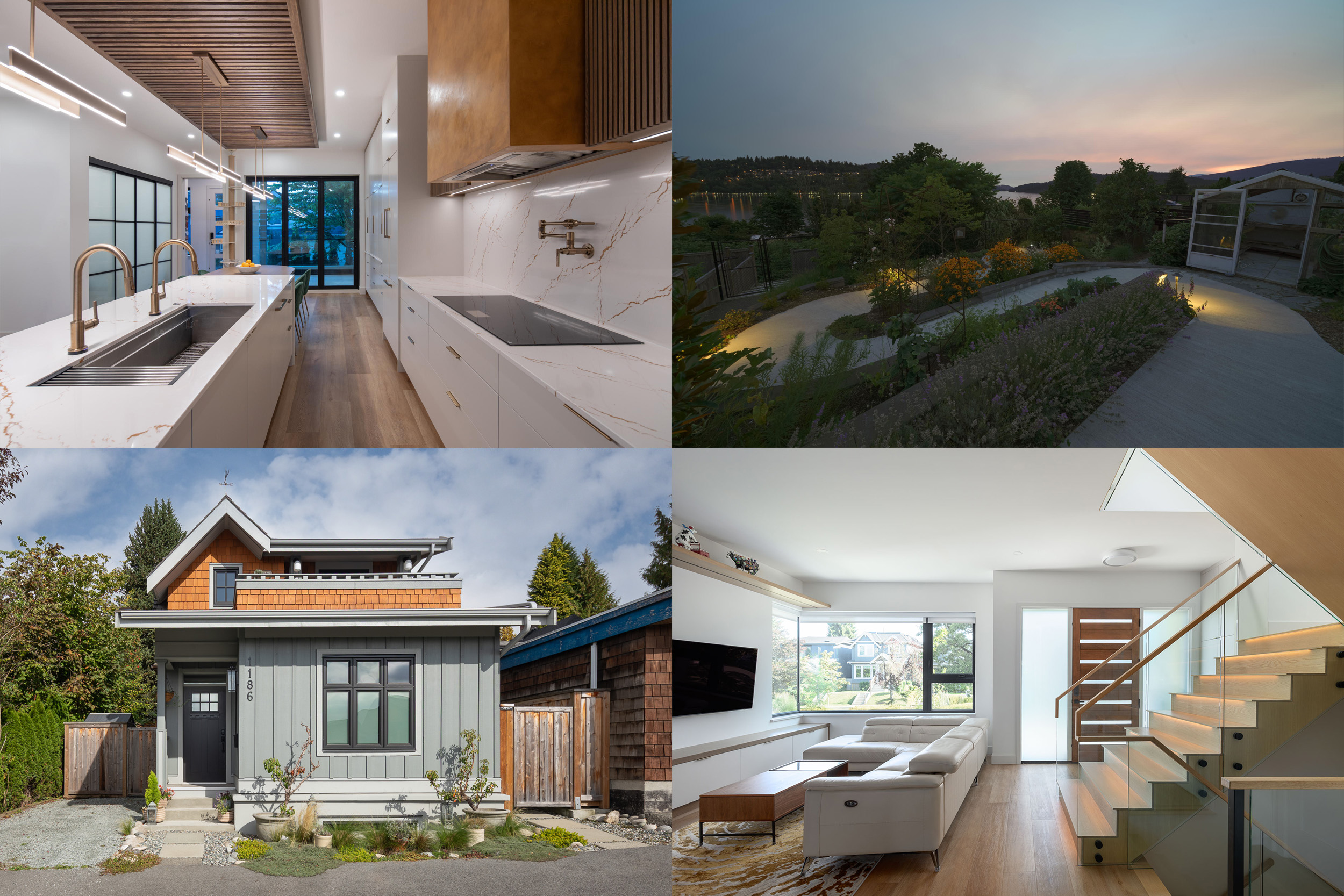
Novell Design Build is proud to announce it has been named a finalist in four categories for the 17th annual HAVAN Awards for Housing Excellence.
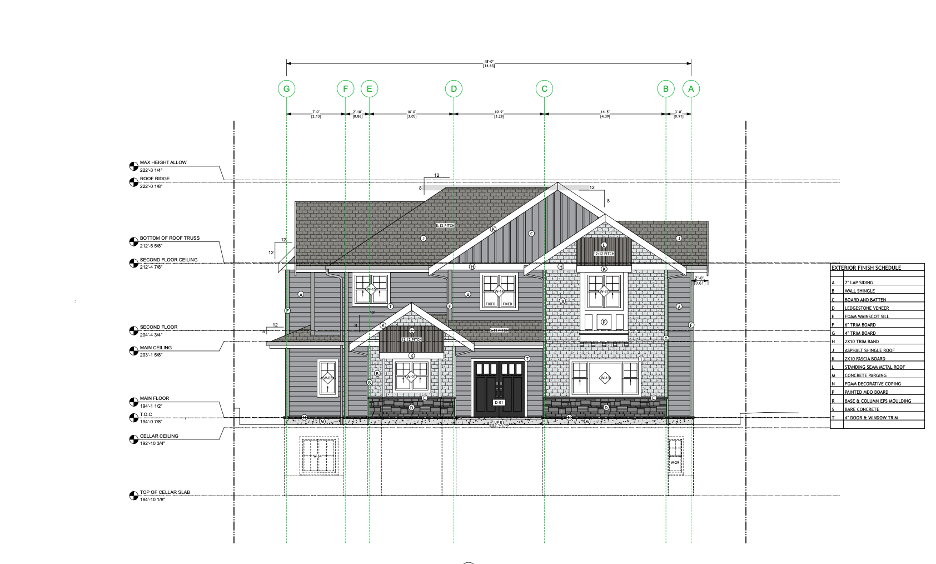
If you’re planning a renovation, addition, or new build in Vancouver, you’ll likely encounter the term Floor Space Ratio (FSR) early in the process. While this sounds technical, FSR is simply a way the city regulates how much livable area a home can have to the size of a lot.
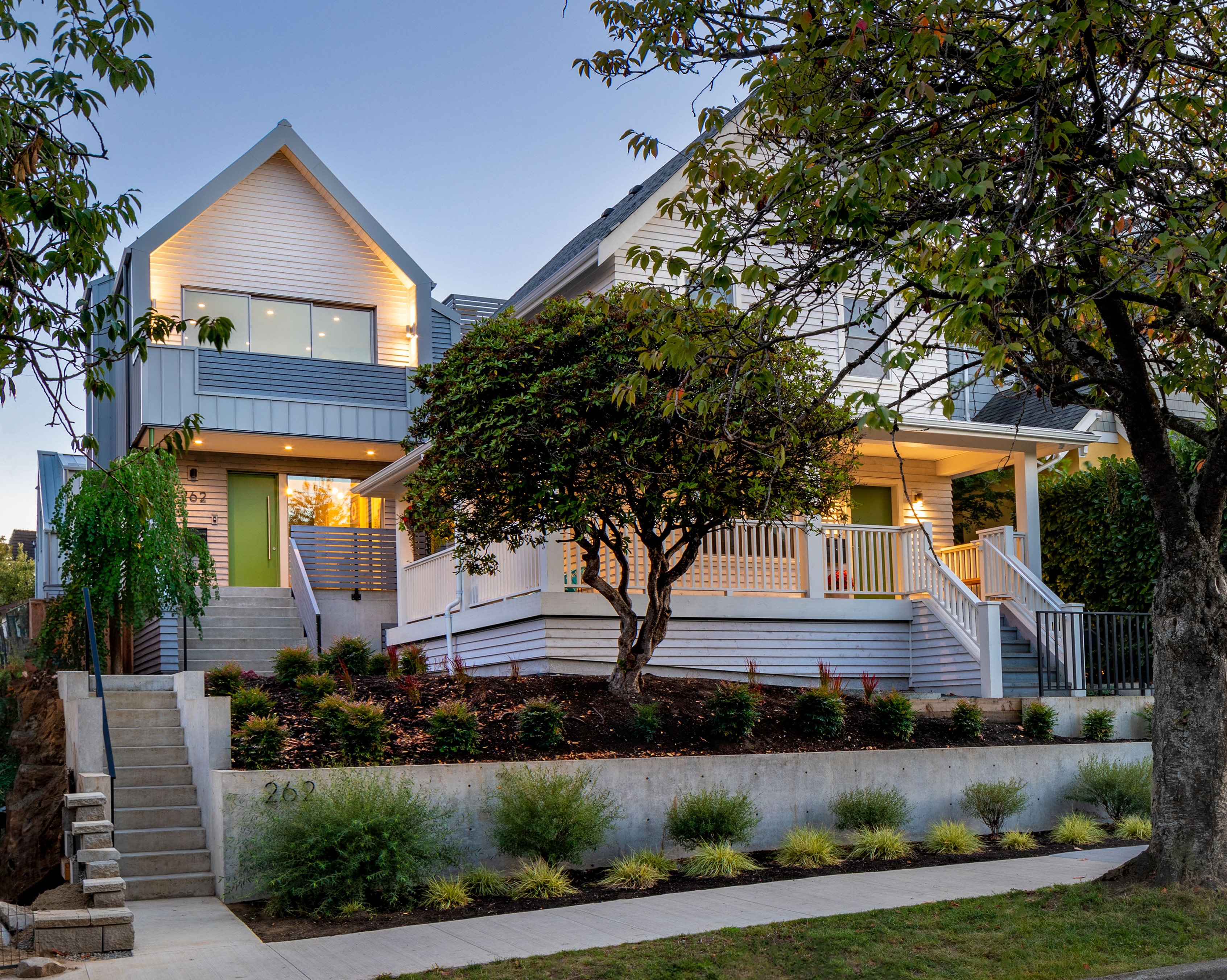
As you may have seen recently in the Vancouver Sun, multiplexes have become a lightning rod of controversy, with strong feelings on all sides. Communities are being affected positively with the gift of choice, but also negatively with boxy, unfriendly construction.

Pocket doors are one of those design elements that look deceptively simple on a floor plan. When they are done right, pocket doors can feel elegant, intentional, and incredibly practical.

Often overlooked is the low voltage or non electrical wiring. This wiring serves all kinds of communication and data needs throughout your home. Ethernet, coaxial, speaker, fibre optic and telephone wires are all commonly found in our homes.

Tenant improvements are essential for transforming your leased space into a functional, comfortable and brand-aligned environment. Whether you’re opening a dental clinic, retail shop, or office in Metro Vancouver, a well-executed design and build out can improve workflow, client experience, and overall satisfaction.
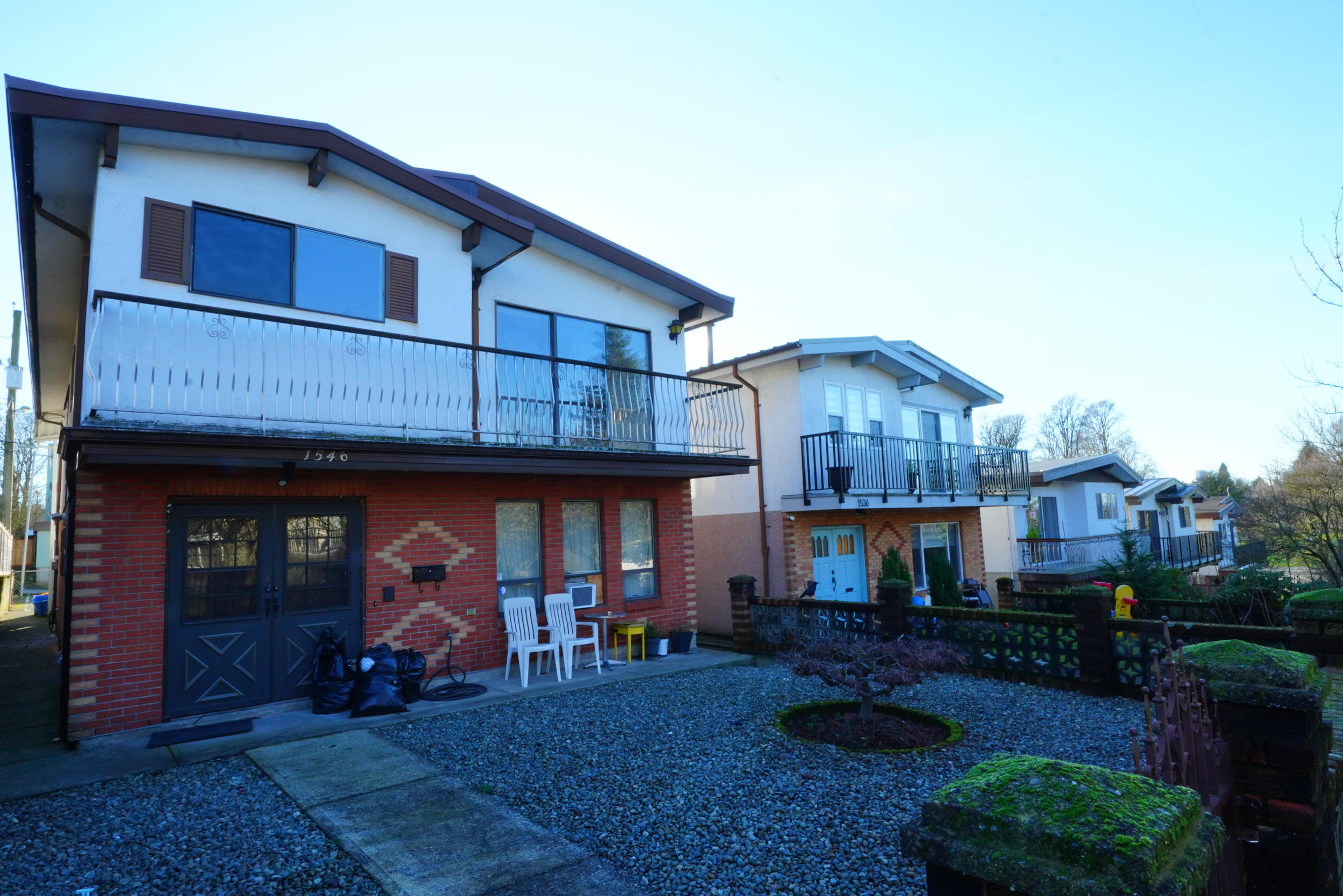
Sometimes polarizing, the Vancouver Special is undoubtedly one of the most iconic and instantly recognizable house styles in Metro Vancouver. Developed locally and rarely seen elsewhere, these homes were built primarily between the 1960s and 1980s.
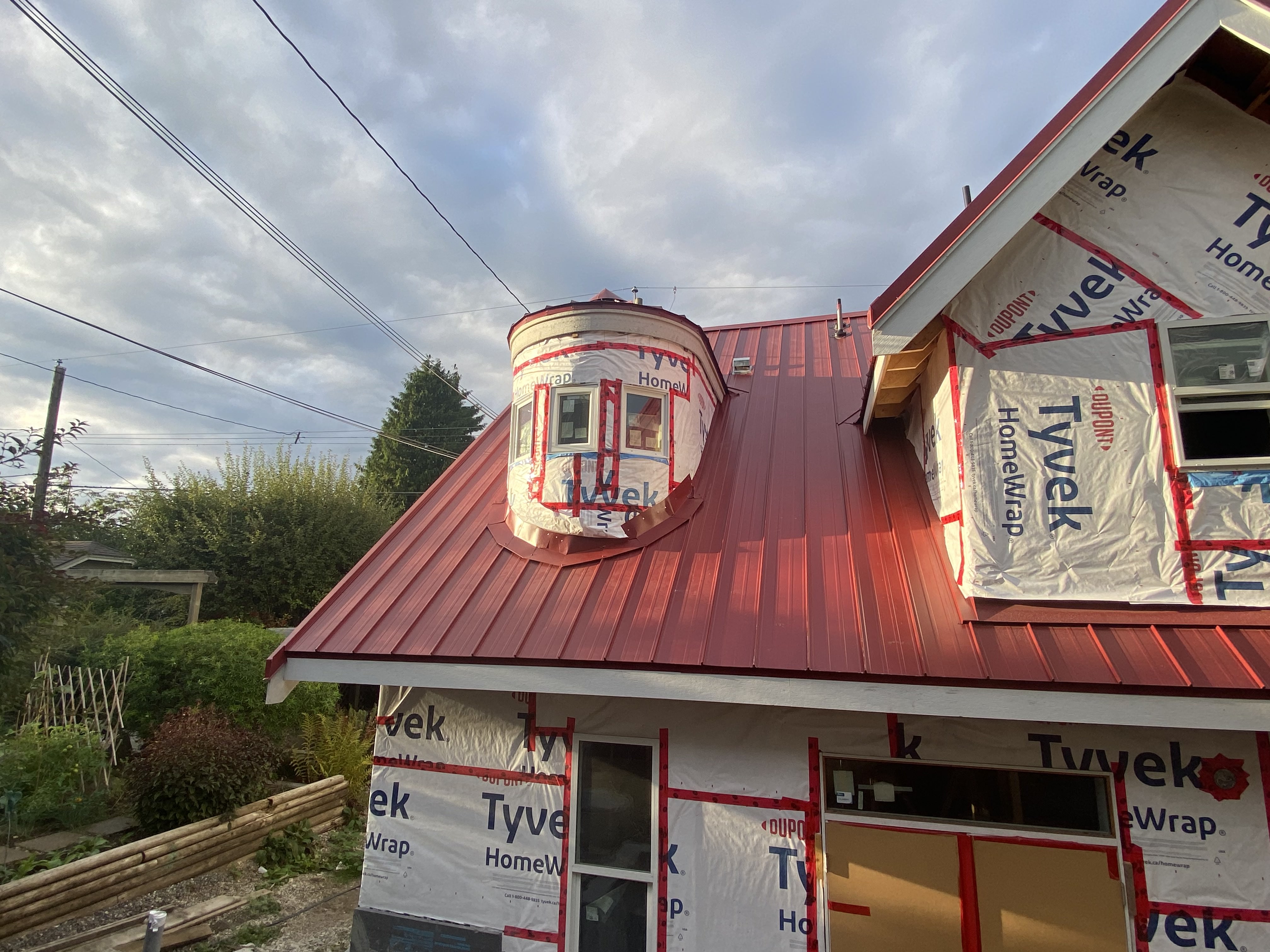
Are you planning to build an infill home in the Lower Mainland? Is there an existing structure that predates the 1980’s on your lot? Legacy buildings and infrastructure which doesn’t meet current environmental standards can create many challenges for your project.

Laneway or coach homes may be a relatively new addition to the Vancouver and Lower Mainland housing market but have become stitched into our communities. While they can be diminutive in size, that doesn’t mean they don’t have a lot to offer.


