If you’re planning a renovation, addition, or new build in Vancouver, you’ll likely encounter the term Floor Space Ratio (FSR) early in the process. While this sounds technical, FSR is simply a way the city regulates how much livable area a home can have to the size of a lot. Understanding FSR can help you set realistic expectations and avoid surprises as your project moves forward.
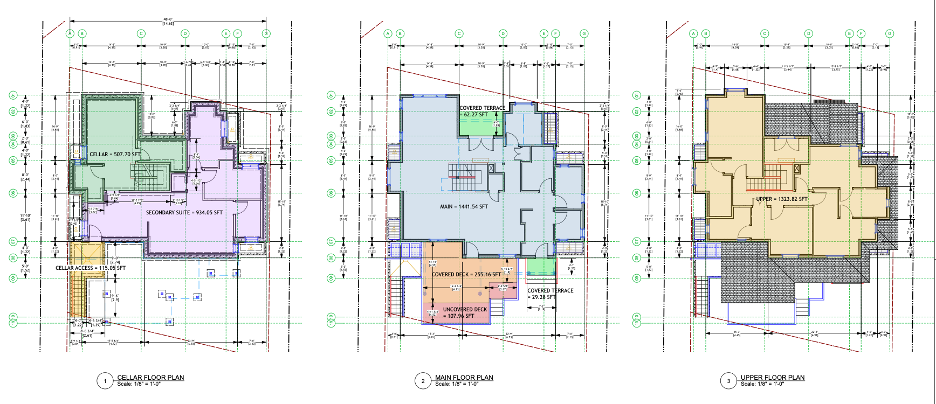
What is Floor Space Ratio?
Floor Space Ratio compares the total floor area of a building to the total area of the property. In Vancouver, FSR is written as a decimal and varies depending on zoning and housing type. This decimal is the figure which you use to calculate the maximum building size. It also represents the percentage of the lot size which can become floorspace.
FSR Formula: Total floor area ÷ Lot size = FSR
We will use an East Vancouver lot as an example, in this case the lot is 40 feet wide by 100 feet in length and has a designated FSR of 0.6. To calculate the lot size in square feet multiply the width and length of the lot: 40 X 100 = 4,000 square feet. You then multiply the lot square footage by the FSR rating figure. This gives you the maximum floor area in square feet.
Therefore:
· Lot size: 4,000 sq ft
· Max. allowed FSR: 0.6
· Max. buildable floor area: 2,400 sq ft
In this example, the 2400 sq. ft can be arranged across one or multiple stories, as long as the total floor area stays within the allowable limit. You could also interpret this calculation as the total enclosed floor area of all storeys combined cannot exceed 60% of the lot size.
Why FSR Exists
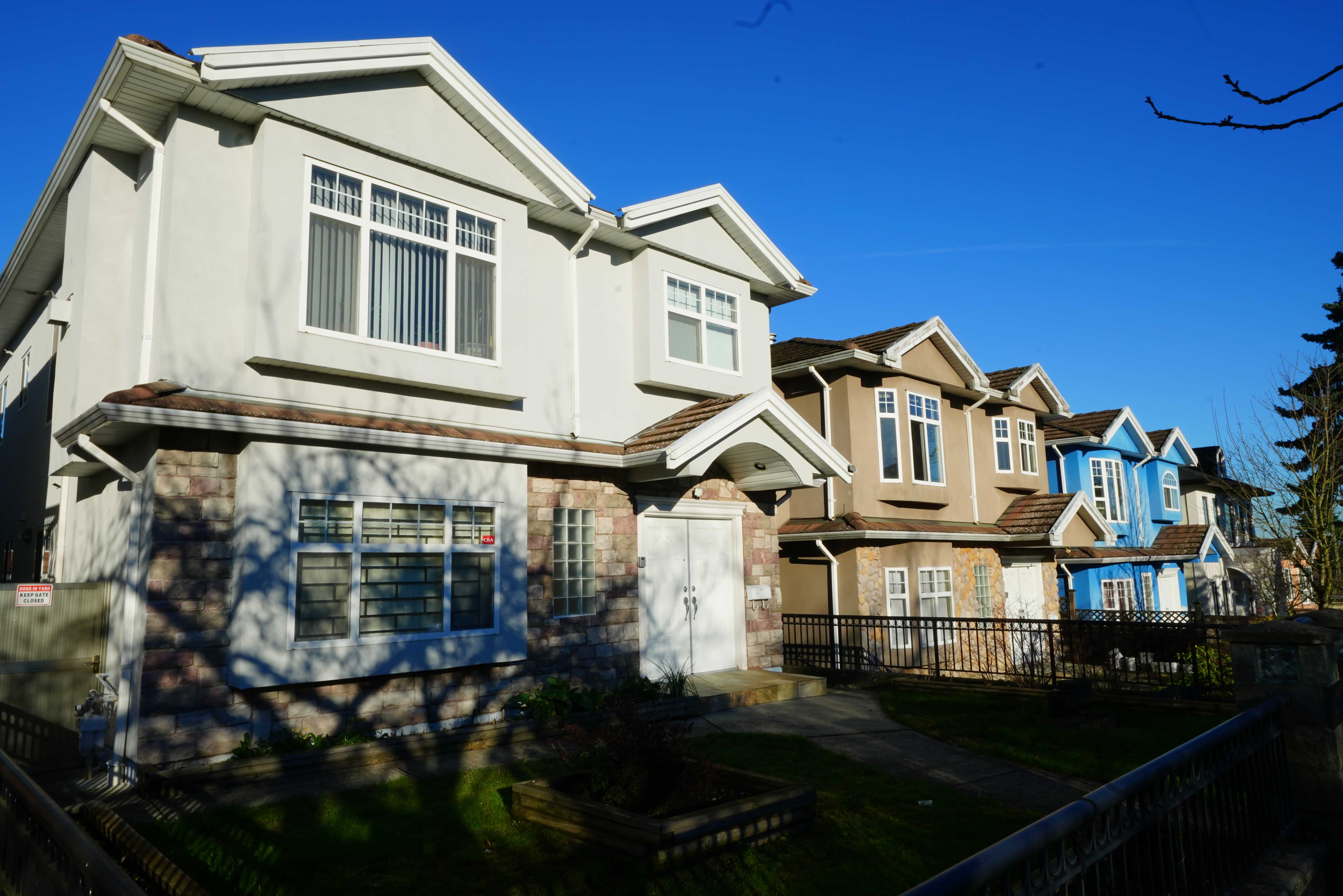
Municipalities use FSR to manage neighbourhood density and building scale. FSR focuses on overall building size, helping maintain consistent streetscapes while allowing flexibility in layout and height. Managing building sizes this way helps to ensure consistent privacy and outlook onto neighbourhood yards, fire risk across the city, and access to daylight for interior spaces for livability.
How Zoning Affects FSR
Every Vancouver property is assigned a zone, which determines:
· Max. FSR
· Whether the home can be single-family, duplex, or multiplex
· Setbacks and building placement
· Environmental considerations (e.g. slopes, floodplains, or fire interface areas)
These factors can influence whether features like basements, additions, or retaining walls are feasible- even if FSR technically allows more floor area.
What Counts Towards FSR?
For City calculations, gross floor area generally includes all enclosed spaces on all levels, measured to the outside of exterior walls.
However, some elements may be excluded if they meet specific conditions, such as:
· Storage areas under 3’11” in height and accessed with a hatch
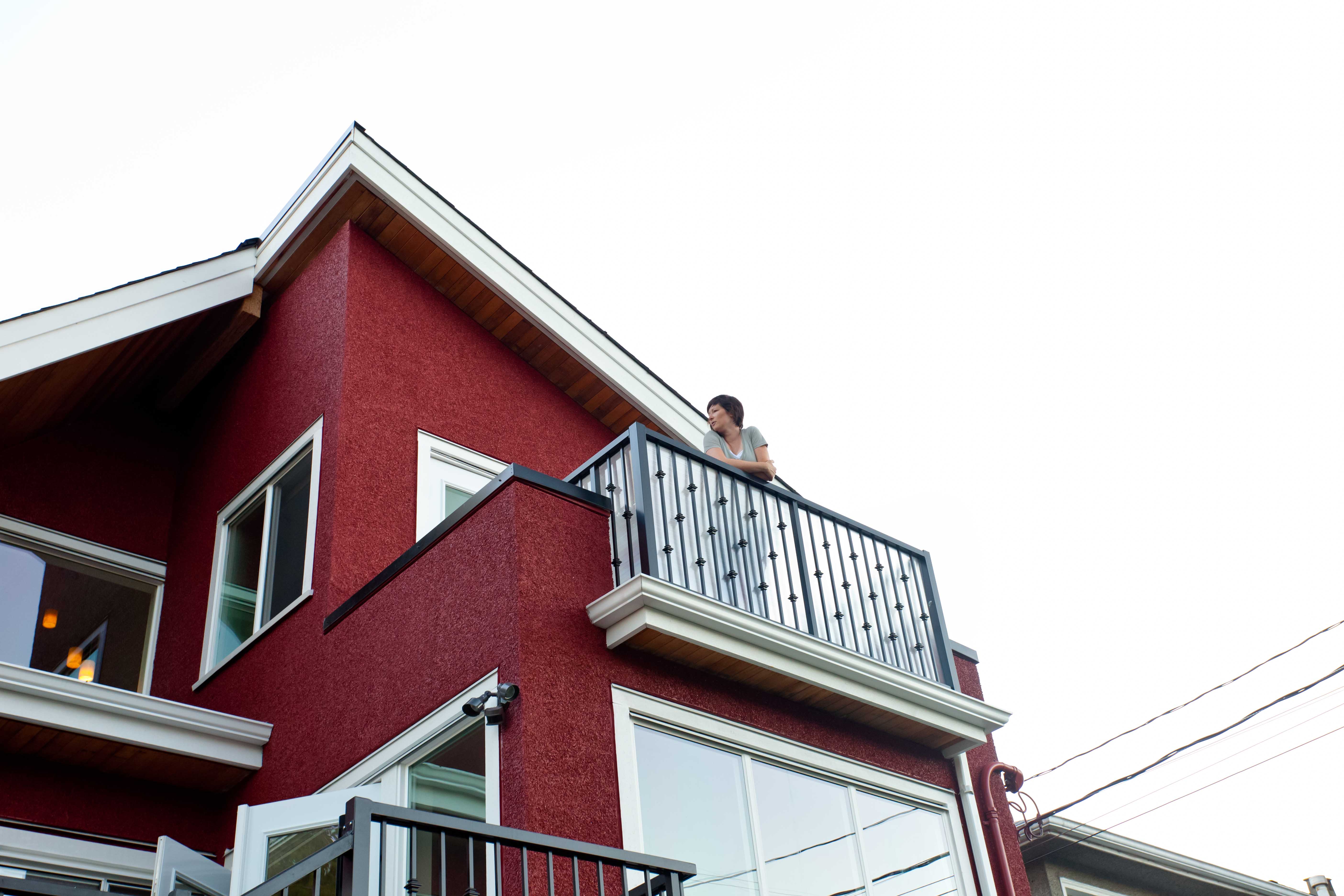
· Covered porches and sundecks
· Increased wall thickness for energy efficiency, if the area exceeds code requirements
These exclusions are technical and must be reviewed carefully during design.

Common FSR Limits in Vancouver (Residential)
While zoning varies, many Vancouver neighbourhoods follow these general guidelines:
Current Typical Allowances
· Single family home: 0.6 FSR
o With secondary suite: 0.7 FSR
o With secondary suite + laneway house: 0.86 total FSR
· Laneway home: 0.25 FSR (based on entire lot)
· Duplex: 0.7 FSR
· Multiplex or conversion with infill: 1.0 FSR
Character homes (generally built before 1940) may qualify for different FSR allowances to support heritage retention.
FSR doesn’t dictate what your home looks like- but it strongly influences how large it can be. Understanding how FSR works, and how it applies to your property, is a critical first step in planning. Early consultation can often bring clarity long before drawings or permit applications begin.
If you’re navigating FSR limits or zoning requirements and would benefit from professional guidance, the team at Novell Design Build is ready to help. We have over 20 years of experience working closely with homeowners to interpret municipal bylaws, assess site-specific opportunities, and translate regulatory constraints into thoughtful, well-planned homes. Contact Novell Design Build here for a complimentary consultation!