There are many aspects of planning the construction or renovation of your home. One often overlooked feature is the low voltage or non electrical wiring. This wiring serves all kinds of communication and data needs throughout your home. Ethernet, coaxial, speaker, fibre optic and telephone wires are all commonly found in our homes, but which one is right for you? In this article we will break down the types and uses you should consider for your home.
Ethernet
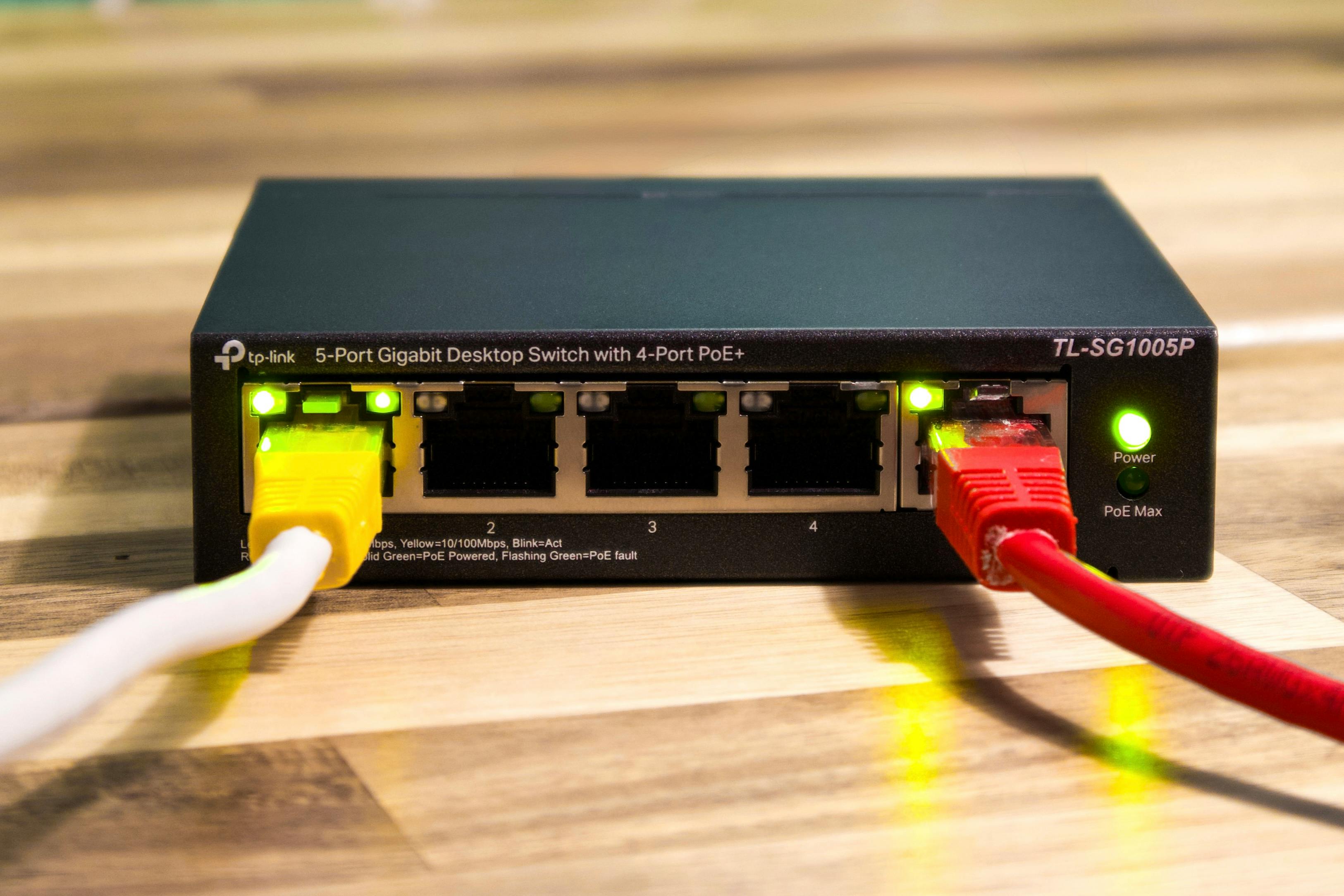
Running ethernet cables between rooms in your home can be a great investment. Whereas wifi can always be intercepted, ethernet cables can only be accessed via a physical connection to your wired network. This provides far more security for your data when it doesn’t go through the air. Ethernet lines can carry power over them as well as data between your various devices but keep your line lengths below 100 meters for best performance. When strategically placed, your home surveillance and security systems can make use of them without needing a separate electrical connection. Having a smartly designed electrical and cable area in your utility room will keep your home organized and make future IT upgrades a snap.
So ethernet is the way to go, but which version? Cat 5, 6, 7 or 8?

Cat 5 and Cat 5E are obsolete cables which max out at 1Gbps, but in practice you likely will get 50-75% of your max cable speeds.
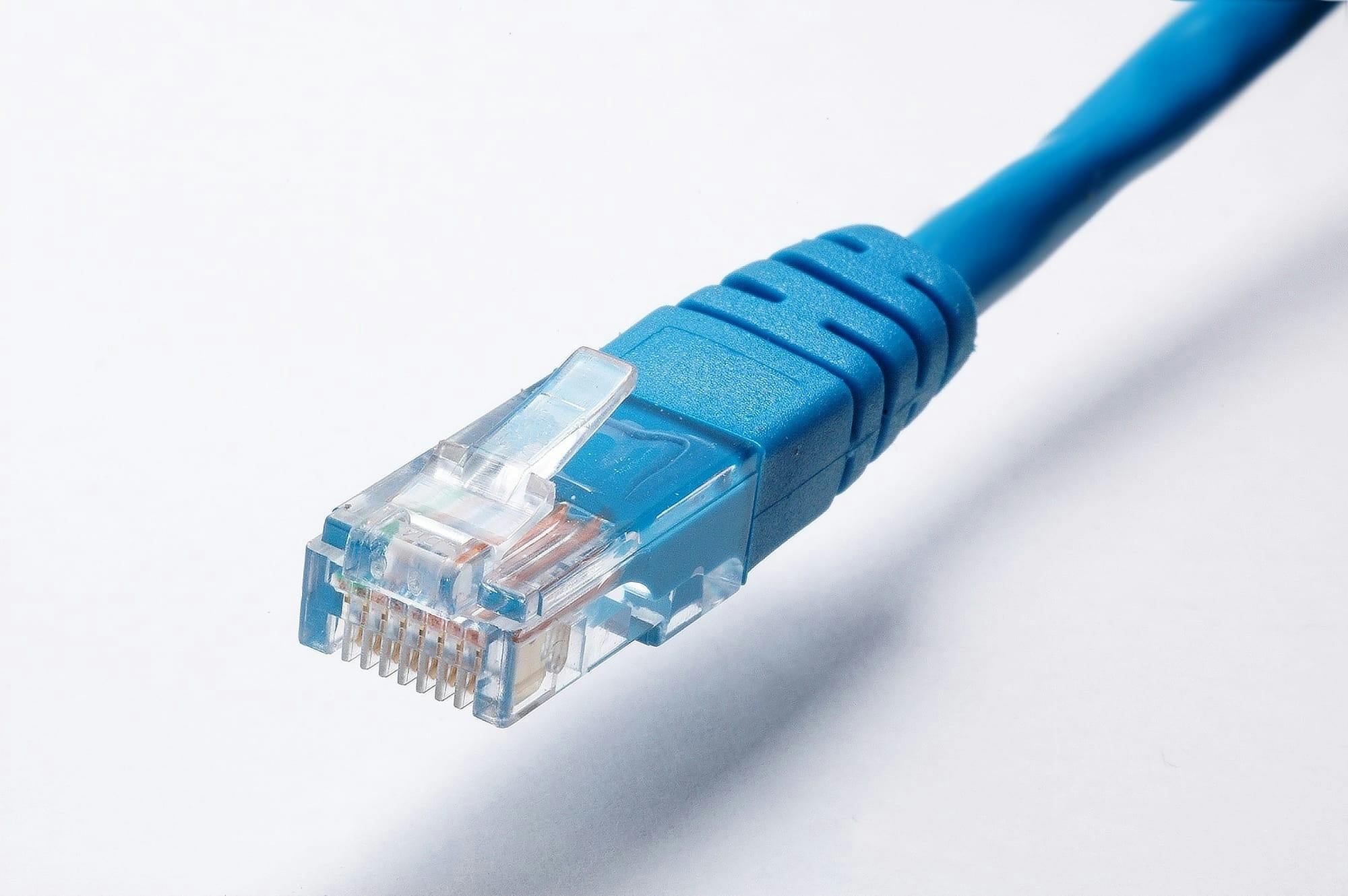
Cat 6 and Cat 6A are visually identical to Cat 5, but as the current standard, they max out at 10Gbps. Cat 6A has better performance over longer distances and a slight price premium. Cat 6 is the most common type installed currently in homes.
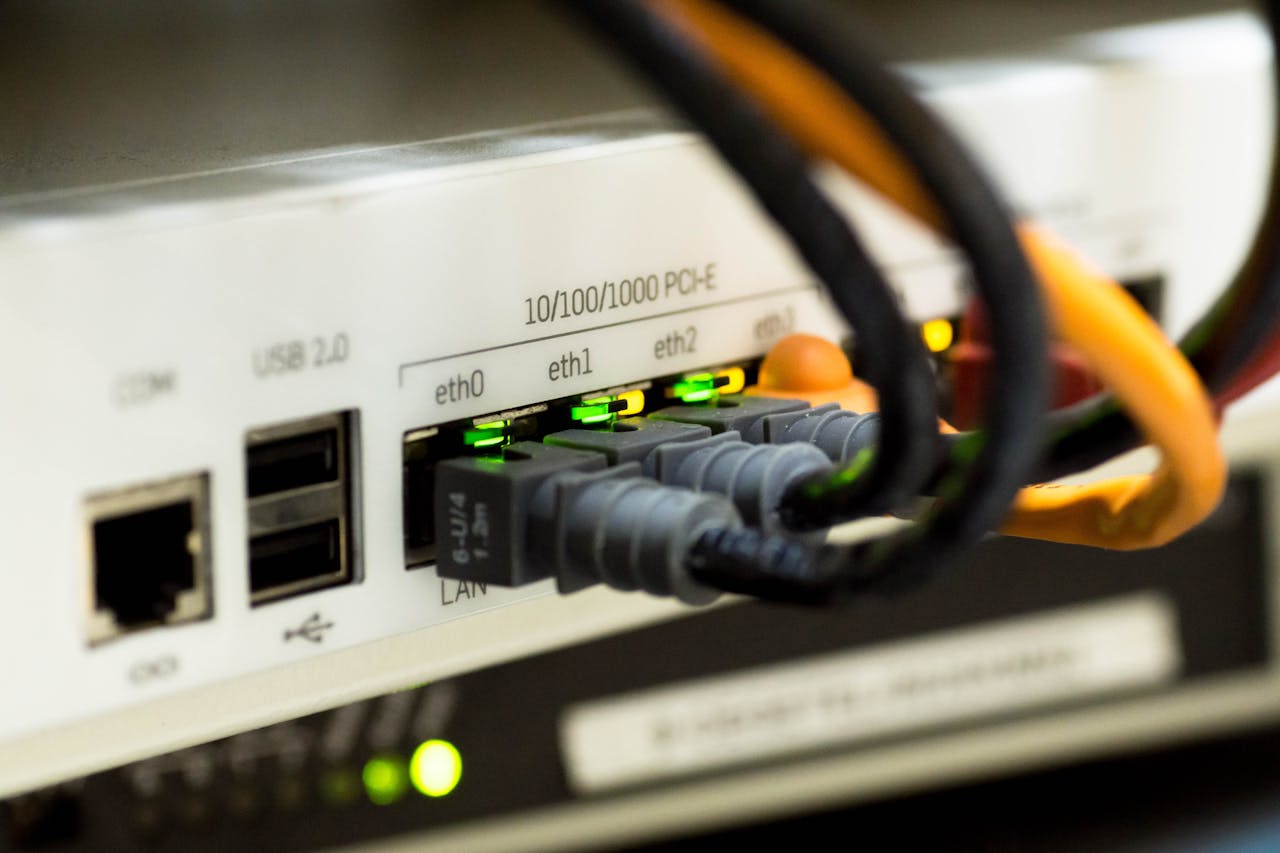
Cat 7 is used for data centres and has a specialized connector. This standard isn’t useful for home users as it doesn’t connect to most devices and computers.
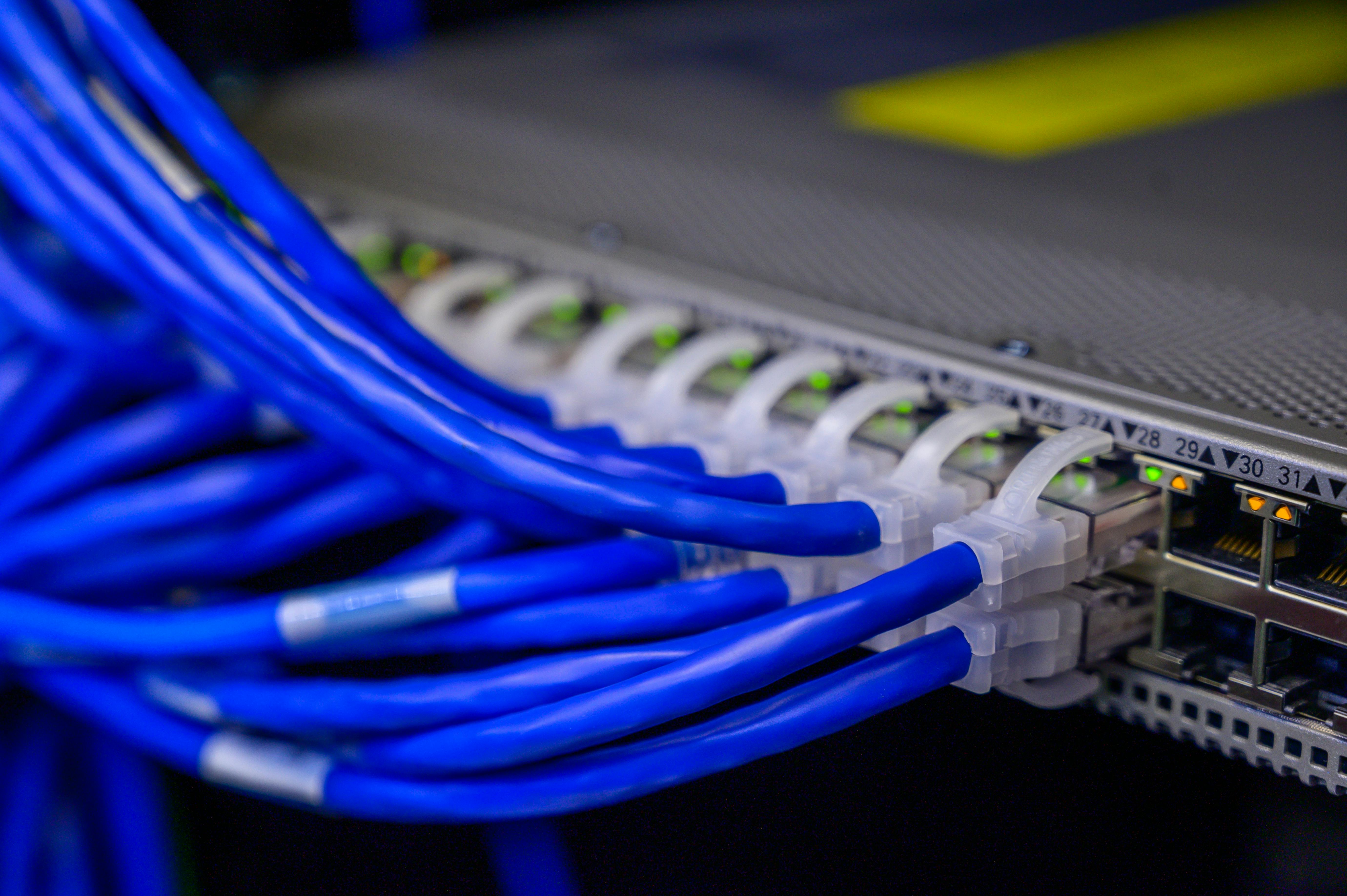
Cat 8 is the new standard in cabling, offering up to 50Gbps performance but still at a significant premium in 2026. It is backwards compatible and works with legacy standards unlike Cat 7. If you have both high data needs and plan to live in your home for a long time, installing Cat 8 might be for you.
In conclusion, go with Cat 6 or Cat 6A unless you can justify the cost of Cat 8.
Coaxial Cable
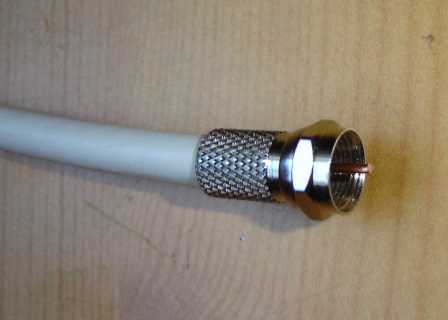
Even if you don’t subscribe to a cable company for your internet or television services, you may want to ensure your home builder or utility provider runs a coaxial cable from the cable distribution pole or box to your home. Not all areas or providers have fibre optic coverage, so check your area maps as this may be a necessary choice. Having coaxial installed may give you the option of switching internet and TV providers even if you currently don’t use a provider like Rogers or Novus. It can be very expensive to add coaxial later and may require that you dig up your yard or open up walls. Wind, rain, snow, frost and the teeth of small animals and bird beaks can all damage after the build surface mounted cabling. Save yourself the trouble and have this installed properly as it costs very little at the time of your house build.
Audio Speaker wire

Many years ago high end homes would come wired with speaker wire for surround sound in living and television rooms. Today this is obsolete, most audio systems have wireless speakers (which will need to be plugged into an electrical outlet) or are just soundbars attached to the television. Unless you are installing a multi seat home theatre in your basement or are a really dedicated audiophile, most don’t bother with audio speaker wire.
Fibre Optic cable
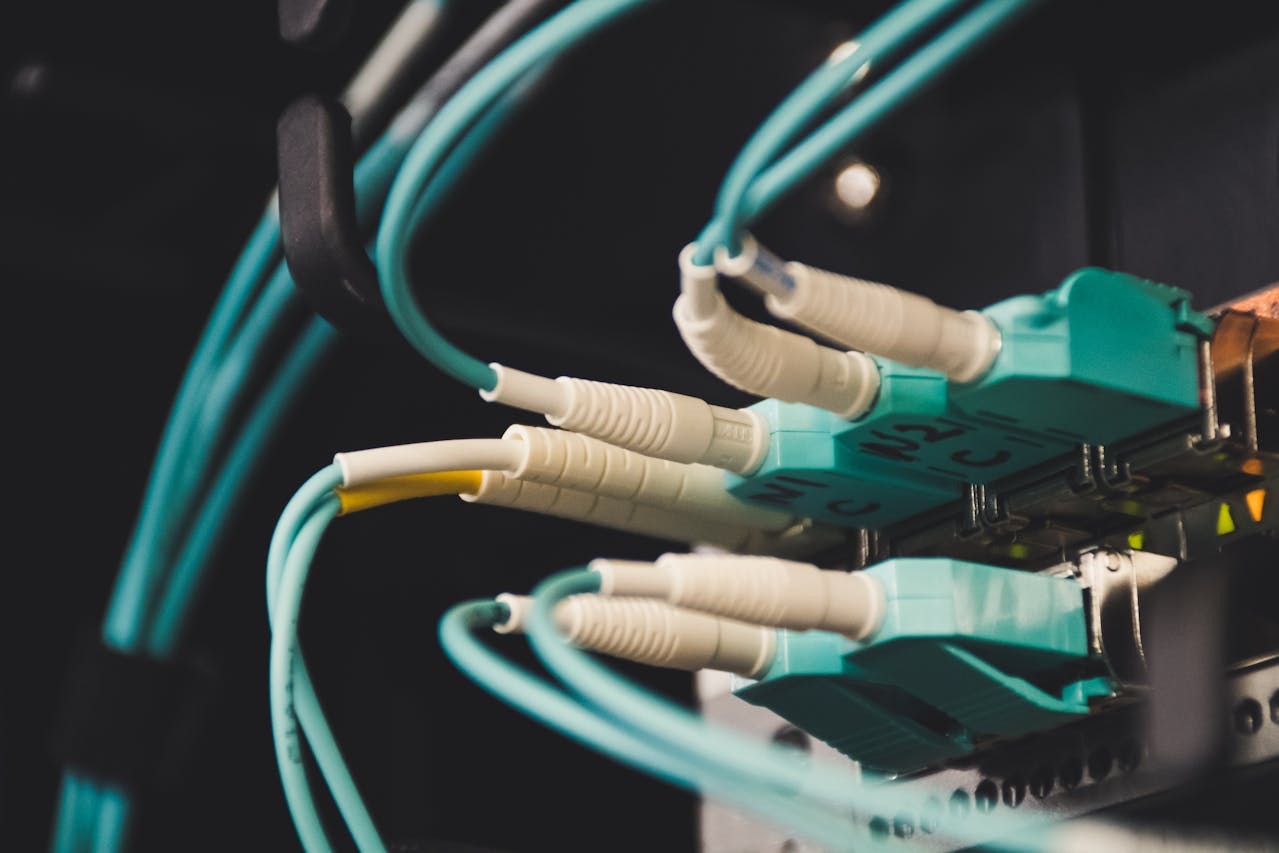
If you intend to use fibre internet like Telus or Bell, then you will need a wire from the Telus box on your home to your utility room. Make sure you have this securely installed when your home is framed in as the telco provider isn’t responsible for the wire within your home. Save yourself money and have it done while it’s fast and easy.
Telephone or RJ-11
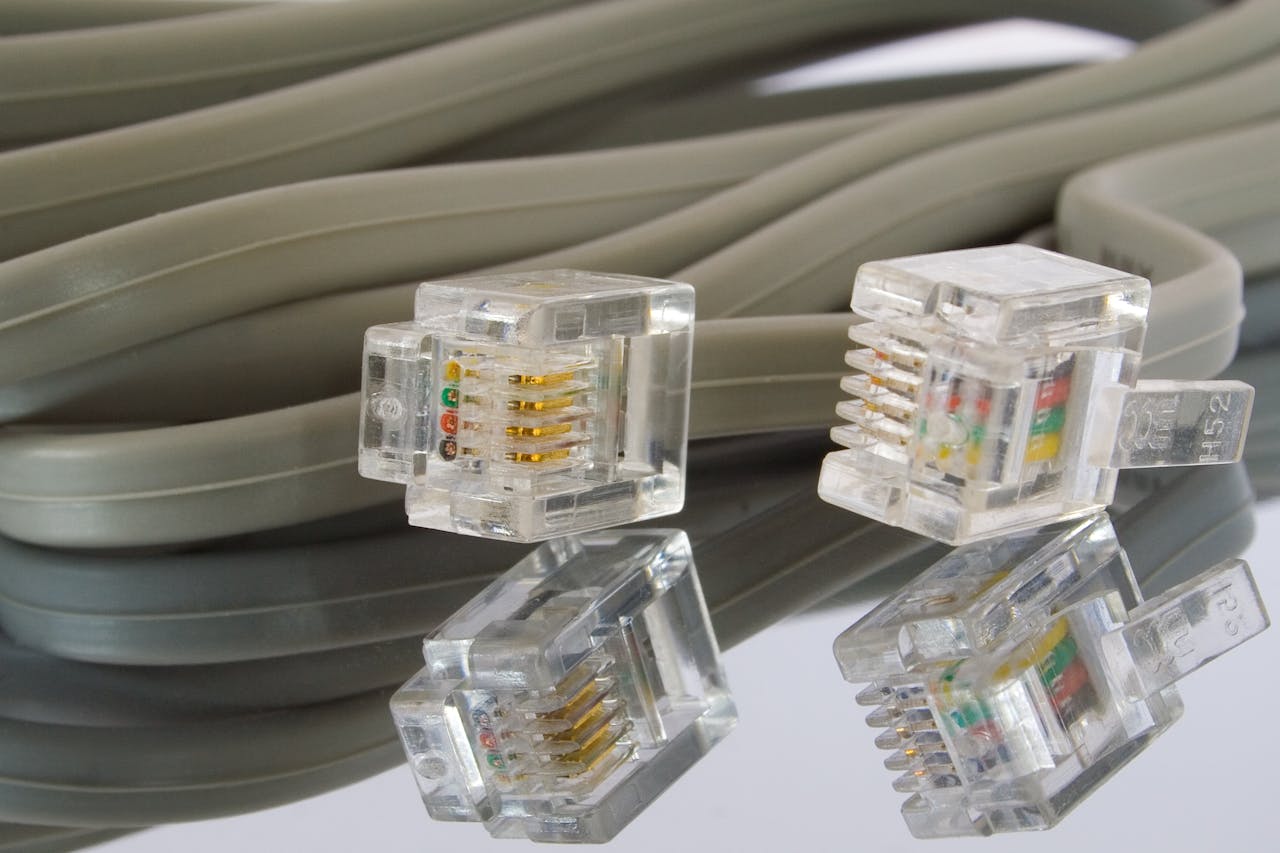
The 90’s are calling! Do you still have a landline? Landline telephone cable jacks are designated RJ-11 and for some people are still an important consideration in their home. But should you install phone lines anymore? Good news, ethernet or RJ-45 jacks are backwards compatible and you can use an RJ-11 cable to an old handset through an RJ-45 jack. With ethernet being more versatile and cross compatible, don’t invest in this dead end standard.
Conclusion
It’s easy to overlook low voltage cabling when you plan your project, but spending a few moments and a few dollars at the right time can save you a lot of expense and hassle down the road. Make sure to discuss with your designer or contractor what your particular needs and make your house into a home that really fits your needs.
If you have any questions or are ready to discuss your new home project contact us here for a free consultation.